

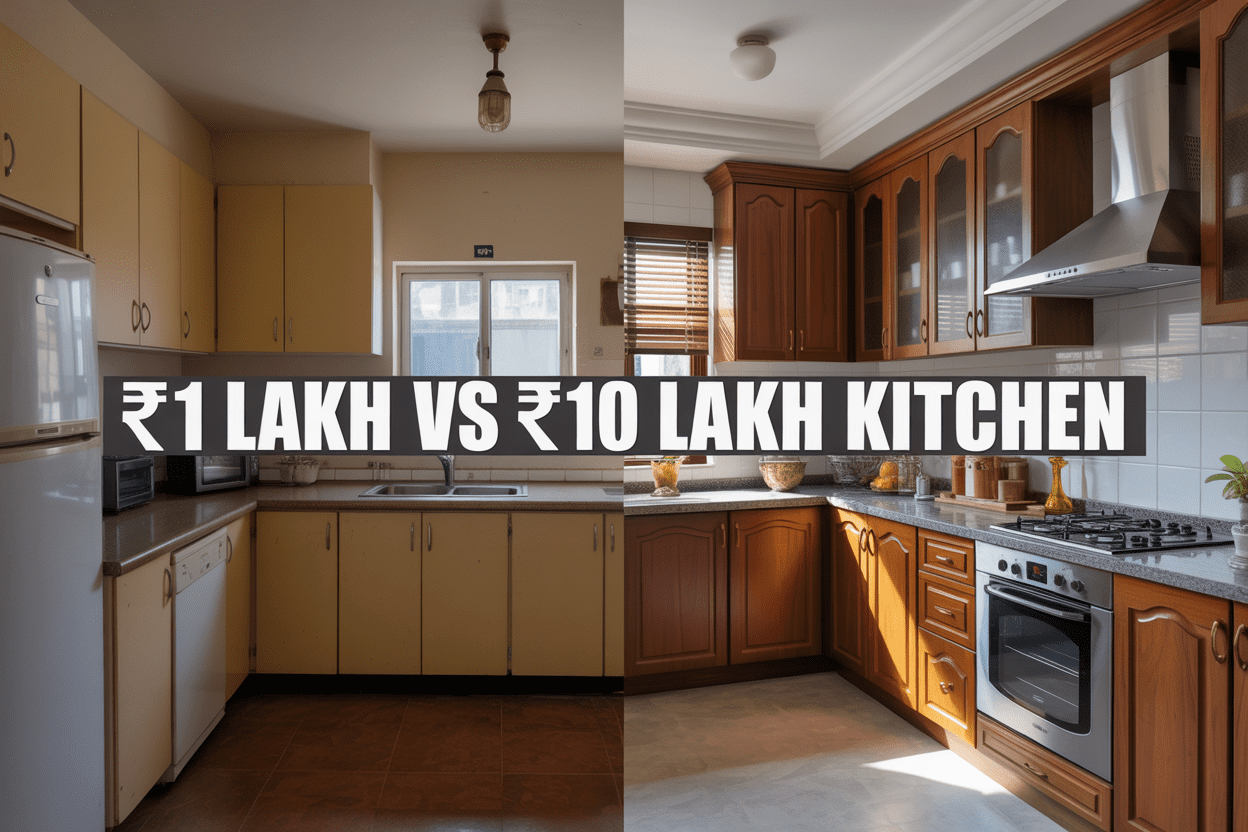
Planning a kitchen renovation and wondering what ₹1 lakh gets you compared to ₹10 lakh? The gap between budget kitchen design and luxury options is huge, and understanding where your money goes makes all the difference.
This guide is for homeowners ready to renovate but unsure which kitchen renovation cost bracket fits their needs and lifestyle. You’ll discover exactly what separates an affordable kitchen from its premium counterpart.
We’ll break down the budget breakdown, showing where every rupee goes in each price tier, compare kitchen cabinet quality and construction standards that affect durability, and examine how kitchen appliance selection impacts your cooking experience. You’ll also learn about countertop materials comparison and how different surfaces handle daily cooking demands, plus explore kitchen design customization options that transform basic layouts into personalized spaces.
Budget Breakdown: Where Your Money Goes in Each Kitchen Tier
Material costs and quality differences
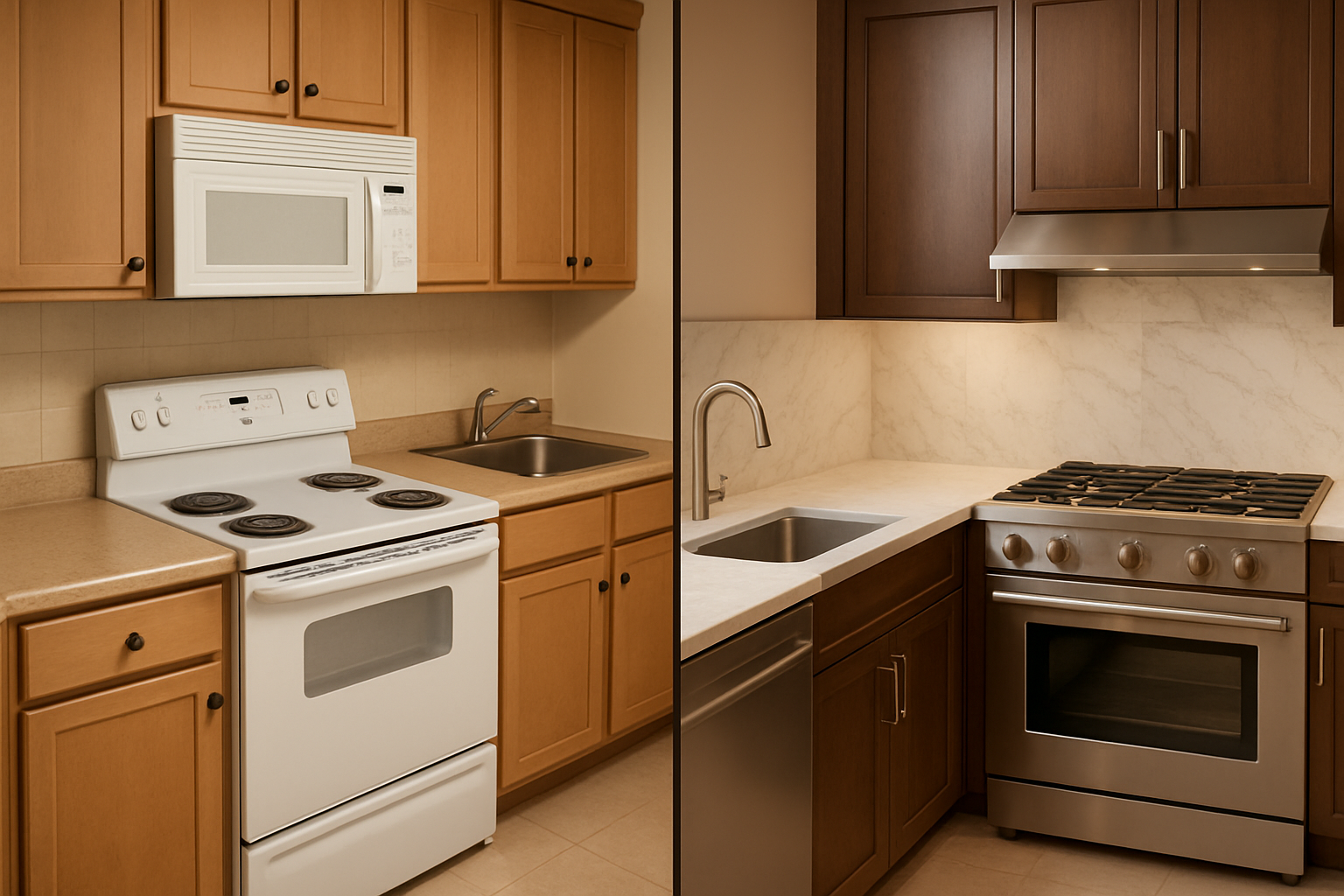
The price gap between ₹1 lakh and ₹10 lakh kitchens starts with materials. Budget kitchens rely on laminate cabinets, ceramic tiles, and basic hardware that gets the job done. Premium kitchens feature solid wood or high-grade engineered materials, natural stone countertops, and German or Italian fittings that last decades.
Labor and installation expenses
| Kitchen Budget | Labor Cost | Installation Quality |
|---|---|---|
| ₹1 Lakh | ₹15,000-25,000 | Basic execution, minimal finishing |
| ₹10 Lakh | ₹1-2 Lakhs | Expert craftsmanship, precise detailing |
Higher-end projects demand skilled carpenters and specialized installers who charge premium rates but deliver flawless results.
Hidden costs that surprise homeowners
Electrical upgrades, plumbing modifications, and structural changes often double your initial budget. Budget kitchen renovation cost estimates rarely include these essentials. Premium projects incorporate comprehensive planning, significantly reducing surprise expenses.
Value for money analysis
Budget kitchens offer 70% functionality at 10% of the premium cost, making them practical for rental properties. Luxury kitchens offer superior durability, aesthetics, and resale value, making the investment worthwhile for long-term homeowners seeking the perfect blend of form and function.
Cabinet Quality and Construction Standards
Engineered Wood vs Solid Wood Options
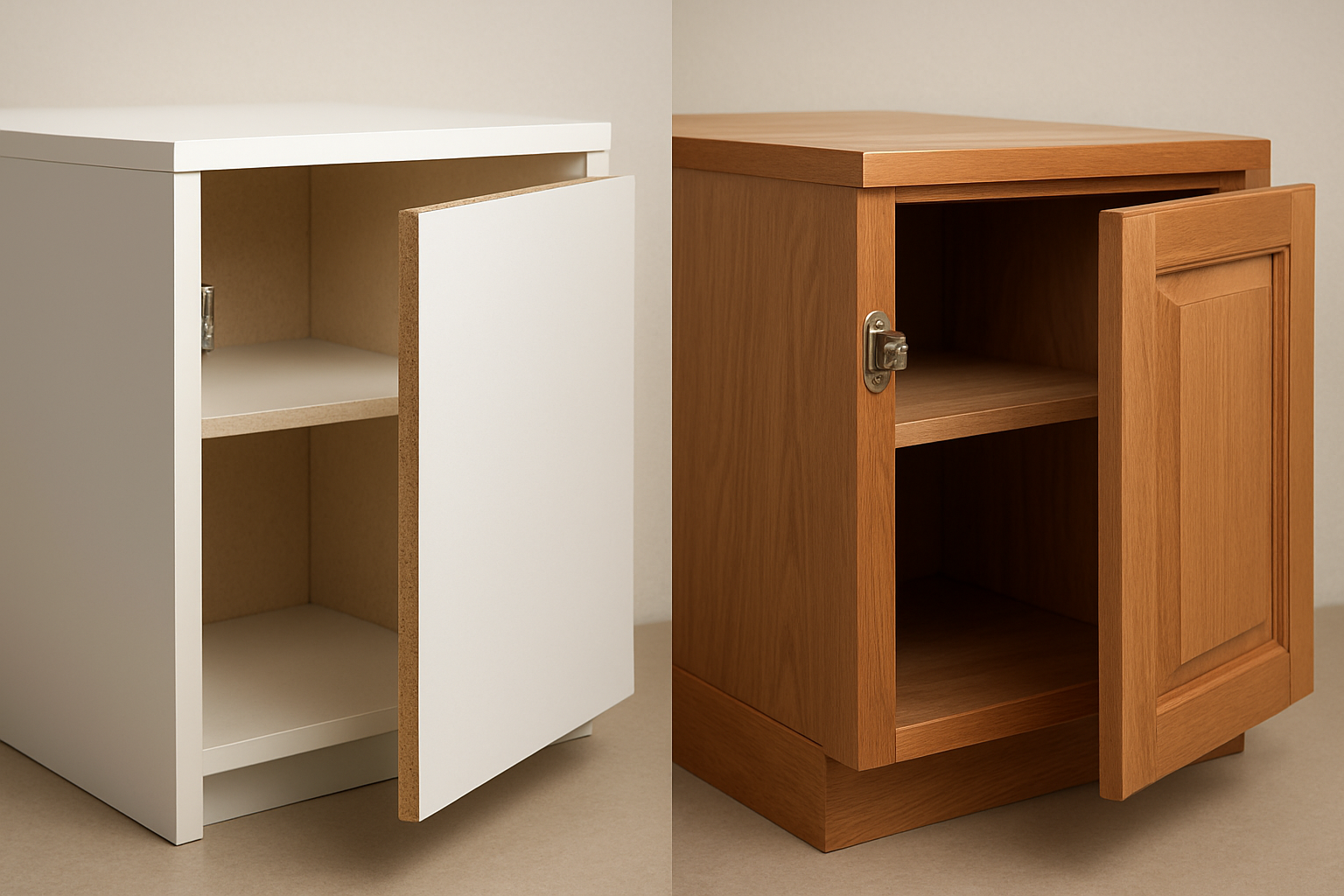
Budget kitchen cabinets typically use laminated particleboard or MDF with veneer finishes, which can warp and chip over time. These materials struggle with moisture and daily wear, especially around sink areas. Premium ₹10 lakh kitchen designs feature solid hardwood construction or high-grade engineered wood with superior moisture resistance and structural integrity, lasting decades.
Hardware Durability and Functionality
| Budget Range (₹1 Lakh) | Premium Range (₹10 Lakh) |
|---|---|
| Basic hinges, plastic handles | Soft-close hinges, metal hardware |
| Limited weight capacity | Heavy-duty drawer slides |
| Manual operation | Push-to-open mechanisms |
Finish Quality and Longevity
Affordable kitchens often use basic paint or low-grade laminates that fade and scratch easily within 2-3 years. Higher-end kitchen cabinet quality comparison reveals multi-coat lacquer finishes, UV-resistant materials, and hand-rubbed stains that maintain their appearance for over a decade. The difference becomes apparent in daily cleaning and maintenance requirements.
Storage Optimization Features
Premium cabinets maximize every inch with pull-out drawers, corner solutions, and built-in organizers that transform kitchen functionality. Budget designs stick to fixed shelves and basic door storage, wasting valuable space. Smart storage features like spice racks, cutlery dividers, and pantry systems justify the investment through improved organization and accessibility.
Appliance Selection and Performance Levels
Basic vs Premium Appliance Brands
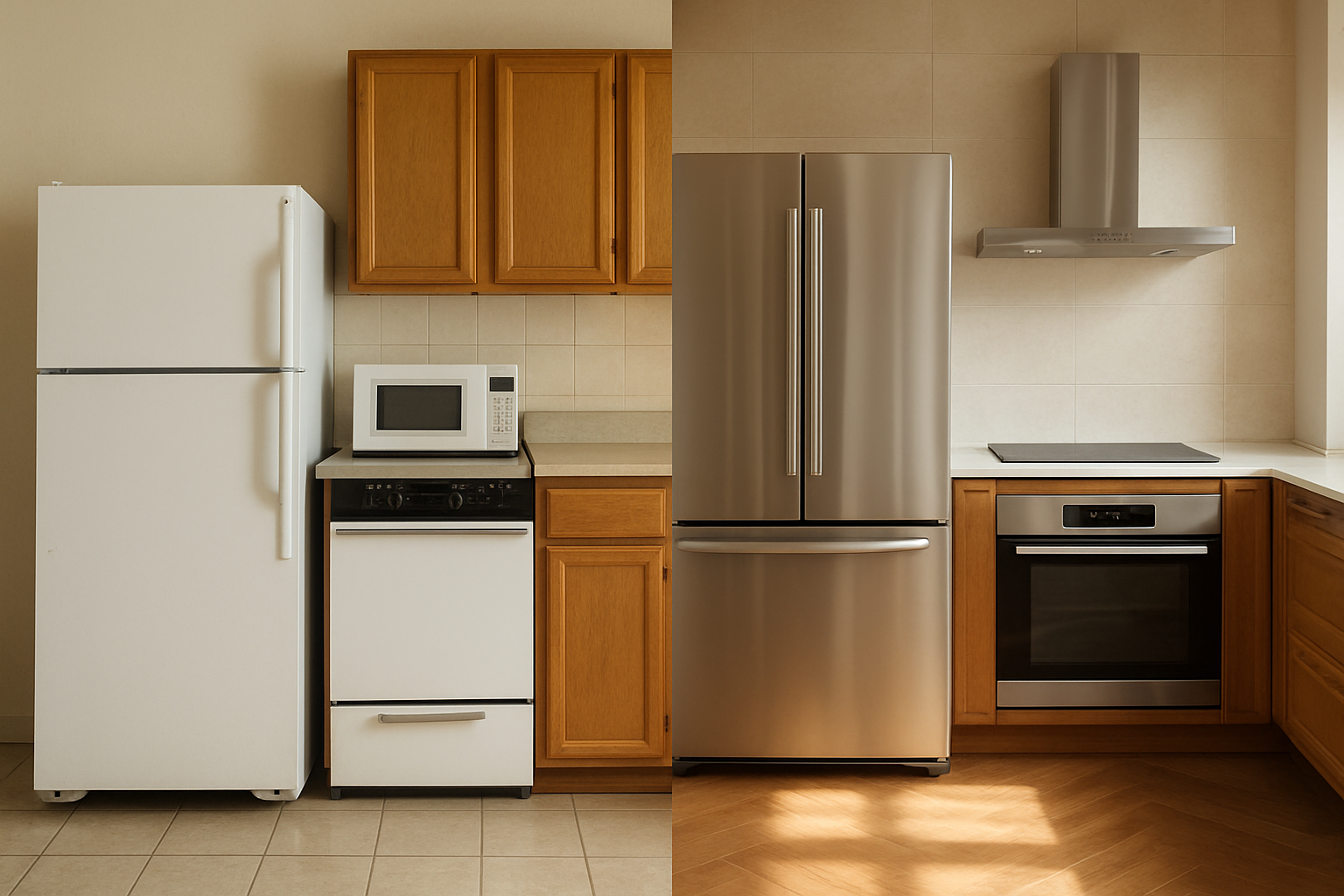
₹1 Lakh Kitchen: Entry-level brands like Butterfly, Prestige, and Glen offer reliable performance with standard features. These appliances cover essential cooking needs with basic models of chimneys, hobs, and microwaves. Most come with 1-2 year warranties and standard after-sales support.
₹10 Lakh Kitchen: Premium brands like Bosch, Siemens, and Faber deliver superior build quality, advanced technology, and extended warranties up to 5 years. These high-end appliances feature better materials, precise controls, and professional-grade performance that match luxury kitchen design customization options.
Energy Efficiency and Running Costs
Budget appliances typically consume 20-30% more electricity than premium models, affecting long-term kitchen renovation costs. Star ratings vary significantly – basic models often carry 2-3 star ratings while luxury options feature 4-5 star efficiency ratings.
Premium appliances incorporate inverter technology, optimized heating elements, and smart sensors that reduce monthly electricity bills by ₹500-1000. The initial investment pays off through lower operating costs and reduced maintenance needs over the appliance’s 10-15-year lifespan.
Smart Features and Connectivity Options
Basic kitchens include simple digital displays, preset cooking modes, and touch controls on select appliances. Timer functions and auto-shutoff features provide convenience without smartphone integration or advanced connectivity.
Luxury kitchen appliance selection guide reveals Wi-Fi-enabled ovens, app-controlled chimneys, and voice-activated smart hubs. These premium features enable remote monitoring, recipe downloads, and integration with home automation systems, transforming cooking into a connected experience that justifies the ₹10 lakh investment in kitchen features.
Countertop Materials and Their Impact on Daily Use
Laminate vs Natural Stone Durability
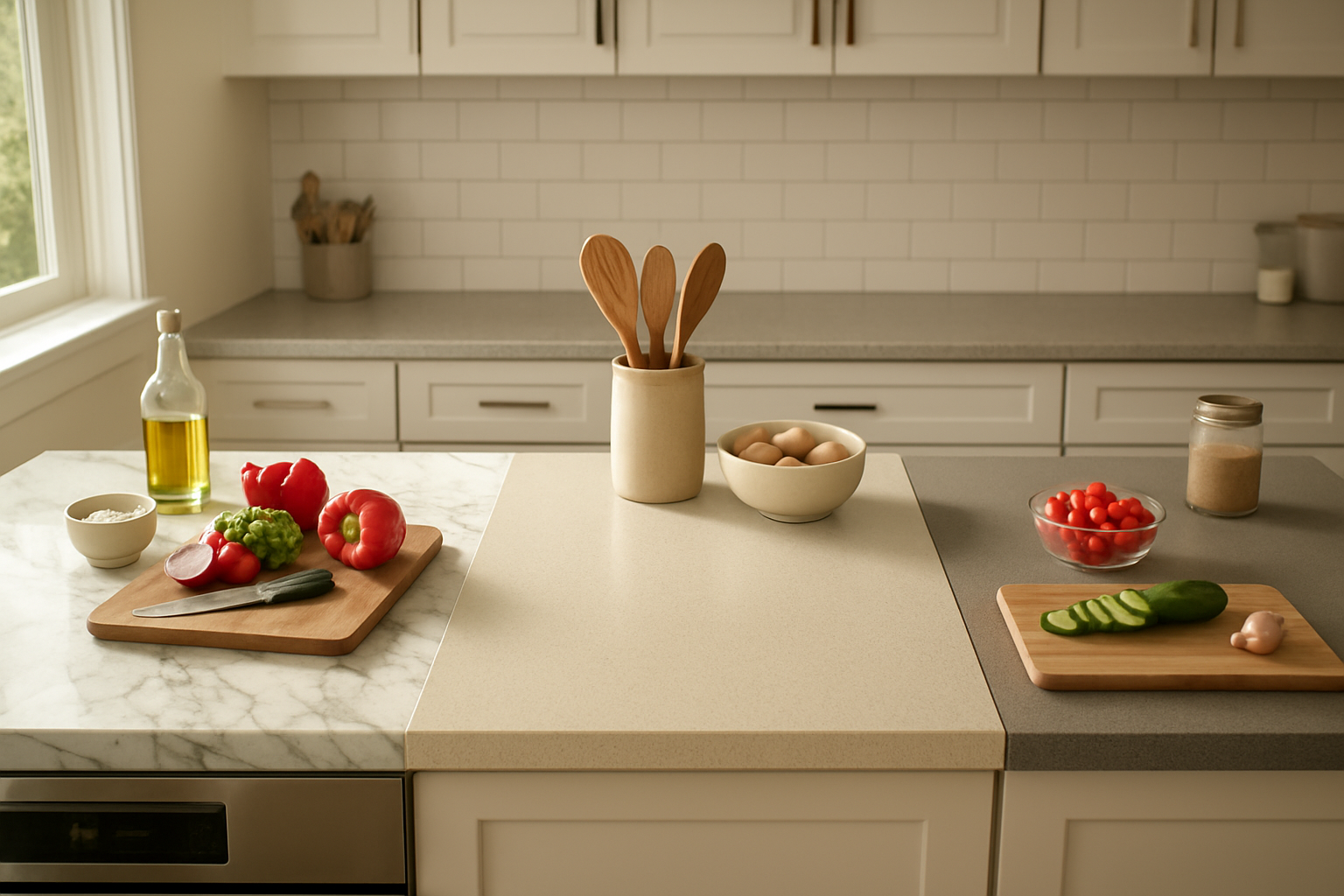
Budget kitchens typically feature laminate countertops that offer decent durability for basic cooking needs, while luxury kitchen design includes granite, quartz, or marble surfaces that withstand heavy daily use for decades. Natural stone surfaces in premium kitchens resist chips, cracks, and wear patterns significantly better than laminate alternatives, making them ideal for serious home cooks.
Maintenance Requirements for Different Materials
| Material | Daily Cleaning | Periodic Maintenance | Sealing Required |
|---|---|---|---|
| Laminate | Soap and water | Avoid abrasive cleaners | No |
| Granite | Mild detergent | Annual sealing | Yes |
| Quartz | Non-abrasive cleaner | Minimal upkeep | No |
| Marble | pH-neutral cleaner | Regular sealing | Yes |
Heat and Scratch Resistance Comparison
A comparison of high-end countertop materials reveals significant performance gaps between budget and luxury options. Laminate surfaces can warp or discolor from hot pans and can be easily scratched by knives, while engineered quartz and granite handle extreme temperatures and resist scratches from daily food-preparation tasks.
Long-term Value Retention
Premium countertop materials typically retain 70-80% of their initial value, making them worthwhile upgrades for kitchen renovations. Laminate surfaces depreciate quickly and require replacement within 5-10 years, while natural stone and engineered materials often last 20+ years with proper care, delivering better long-term returns on luxury-kitchen vs. affordable-kitchen investments.
Design Aesthetics and Customization Options
Standard layouts vs bespoke designs
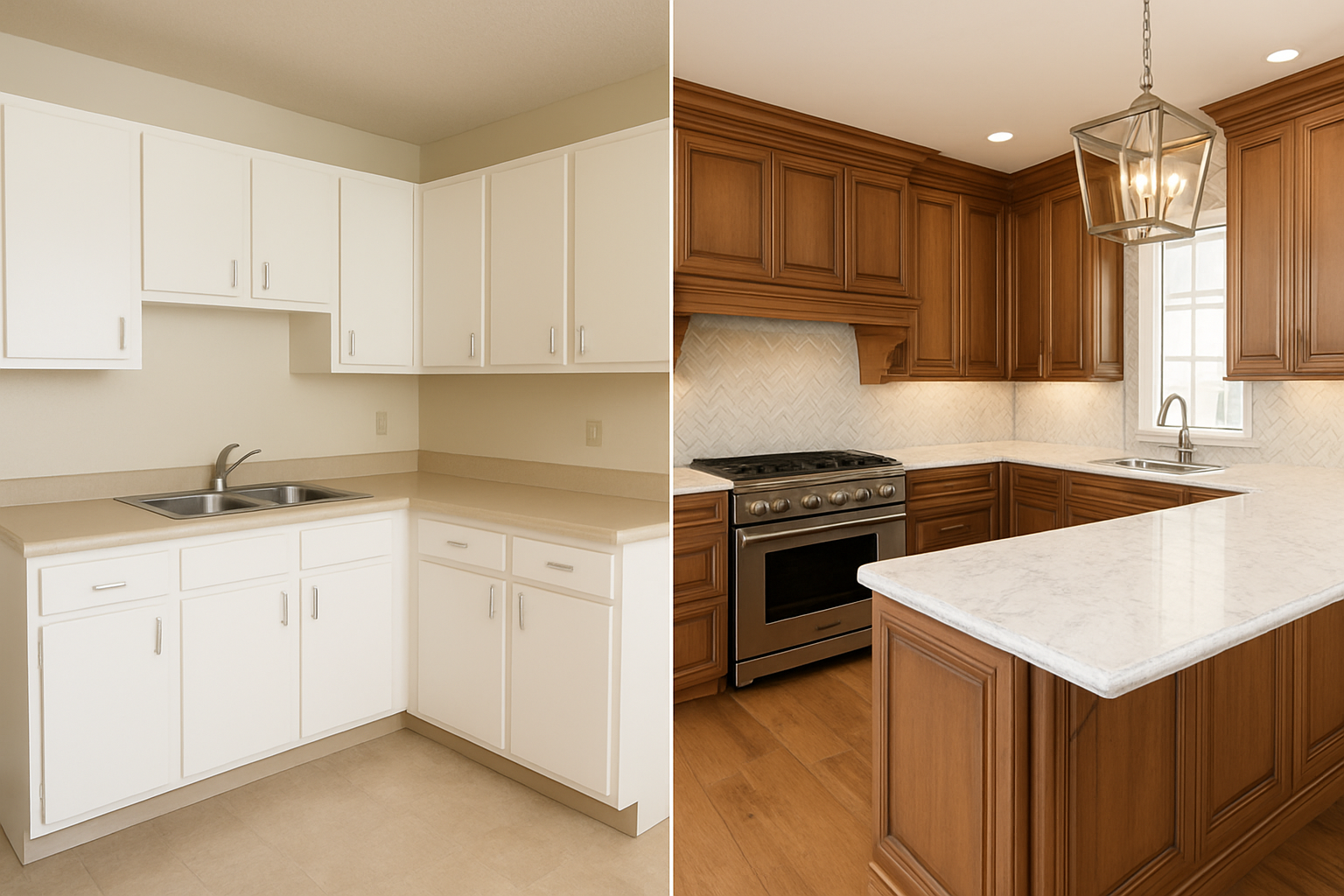
₹1 Lakh Kitchen: You’re working with pre-designed templates and standard layouts that fit common kitchen dimensions. These budget kitchen design options offer basic L-shaped or straight-line configurations with minimal customization.
₹10 Lakh Kitchen: Bespoke designs tailored to your exact space and lifestyle needs. Every corner, cabinet, and workflow is planned specifically for your family’s cooking habits and space constraints.
Color schemes and finish variety
| Budget Range | Finish Options | Color Variety |
|---|---|---|
| ₹1 Lakh | Laminate, basic PVC | 5-10 standard colors |
| ₹10 Lakh | Premium laminates, solid wood, glass, and metal | 50+ custom color options |
Lighting solutions and ambiance creation
Budget kitchens typically include basic tube lights or LED panels for functional illumination. Luxury kitchen vs. affordable kitchen differences become obvious here: premium designs incorporate layered lighting with under-cabinet strips, pendant lights, and dimmers that create restaurant-quality ambiance while improving functionality.
Space utilization efficiency
Smart storage solutions significantly separate these kitchen renovation cost brackets. Higher-budget kitchens maximize every inch with pull-out drawers, corner solutions, and vertical storage systems that can increase usable space by up to 40% compared to standard cabinet configurations.
Resale value enhancement potential
Premium kitchen design customization options typically recoup 70-80% of the investment at resale, while budget renovations may return only 50-60%. The enhanced aesthetics, high-quality materials, and modern functionality of luxury kitchens strongly appeal to potential buyers, making them worthwhile long-term investments for homeowners.
Timeline and Installation Experience Differences
Project Duration Expectations
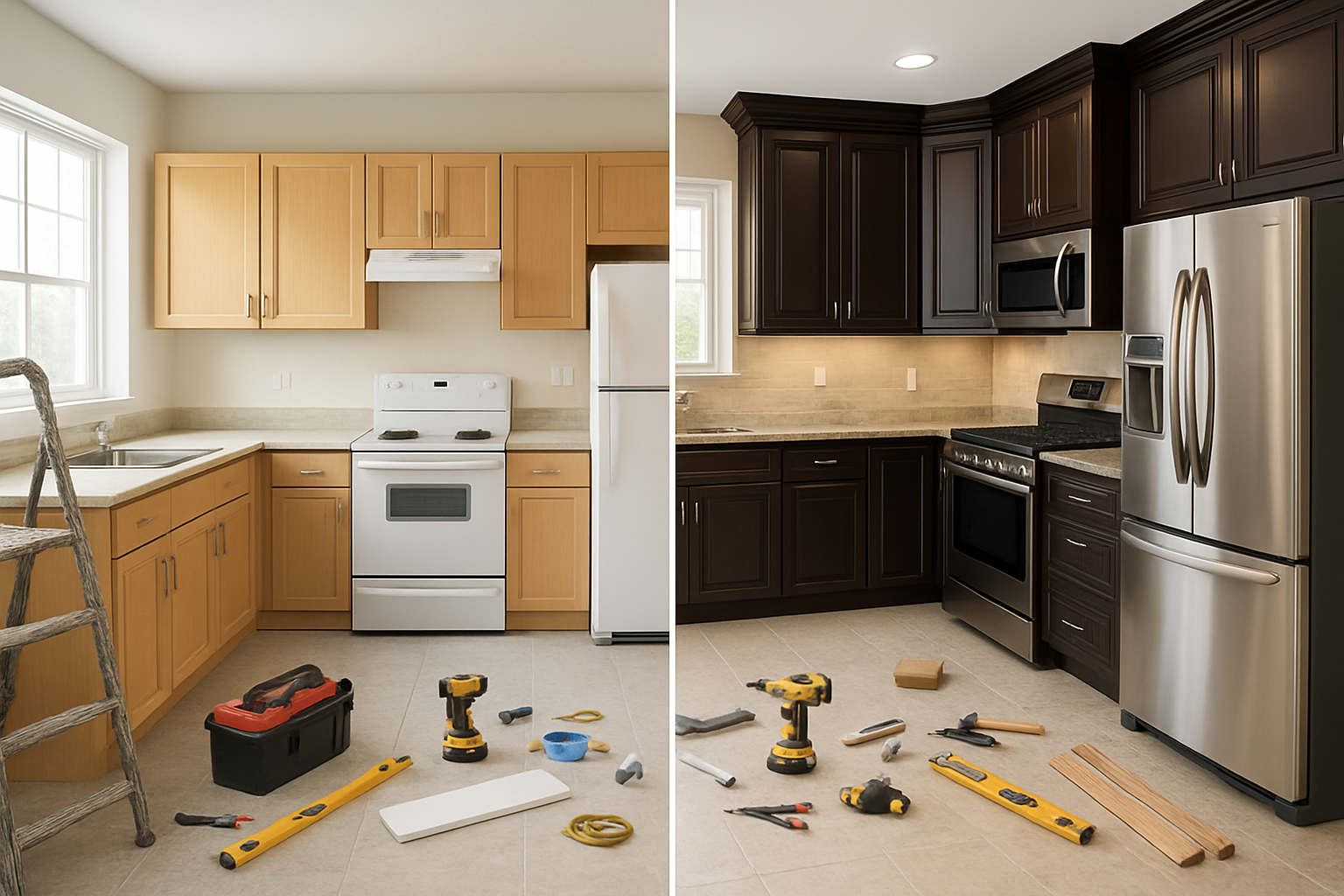
The kitchen installation timeline differs dramatically between budget and luxury renovations. A ₹1 lakh kitchen typically takes 2-3 weeks to complete, with basic modular units that arrive ready for assembly. Higher-end ₹10 lakh kitchens require 6-8 weeks due to custom cabinet manufacturing, coordination with premium appliances, and detailed finishing work. The extended timeline reflects the complexity of luxury installations.
Quality of Workmanship Standards
| Budget Range | Workmanship Quality | Material Handling |
|---|---|---|
| ₹1 Lakh | Standard assembly techniques | Basic tools and methods |
| ₹10 Lakh | Precision craftsmanship | Professional-grade equipment |
Budget kitchens often involve quick assembly with standard hardware, while luxury installations feature meticulous attention to detail, perfect alignments, and seamless joints that showcase superior craftsmanship.
Post-Installation Support and Warranties
Warranty coverage varies significantly across kitchen renovation cost tiers. Budget options typically offer 1-2 year basic warranties covering manufacturing defects. Premium installations include comprehensive 5-10-year warranties with dedicated customer service, annual maintenance visits, and replacement guarantees for hardware components, providing long-term peace of mind for your investment.
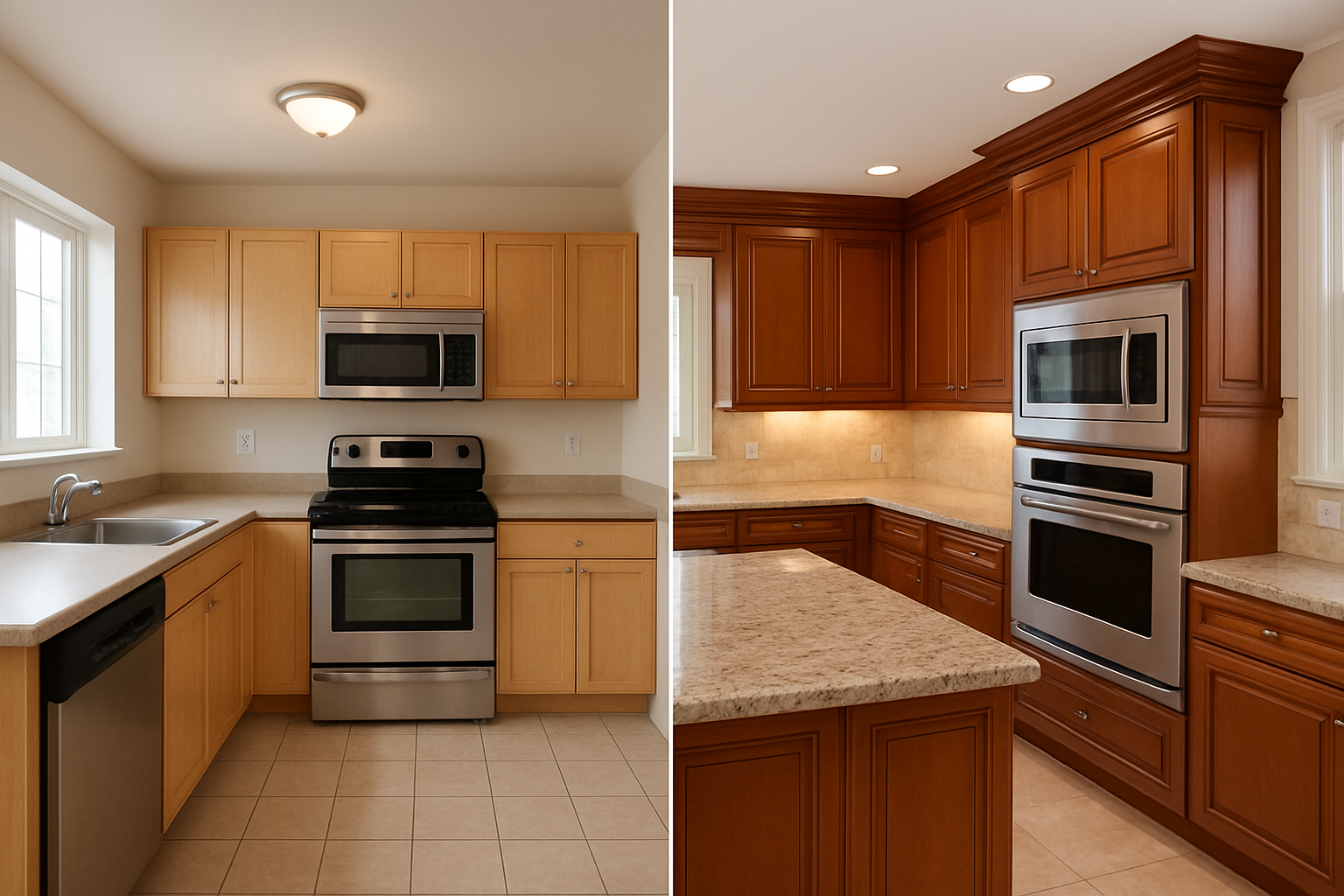
The gap between a ₹1 lakh and ₹10 lakh kitchen comes down to how much you’re willing to invest in durability, convenience, and aesthetics. While a budget kitchen focuses on essential functionality with basic materials and standard appliances, the premium option delivers superior construction, high-performance equipment, and extensive customization that can transform your cooking experience. Your cabinets will last longer, your appliances will work more efficiently, and your countertops will handle daily wear and tear with grace.
Choose based on how you actually live and cook. If you’re someone who spends hours in the kitchen or plans to stay in your home for years, the higher investment pays off through better performance and longevity. But if you’re working with tight finances or this is a temporary setup, a well-planned budget kitchen can still meet your needs beautifully. The key is to be honest about your priorities and pick the tier that makes sense for your lifestyle and wallet.